Introduction
Capitalism as a social and economic system has been ingrained into the American psyche to the degree that it has become inseparable from American thought. It is tied to our ideas of success and our priorities, influencing the way we regard our lives. The systemic focus on the acquisition of capital is core to the American dream, and people living under capitalism are expected to integrate it into their own dreams of the future. Some people excel in these conditions and are able to successfully reach the capitalist goals that have been laid out before them. If someone’s ideals are incompatible with capitalism, however, or they become conscious of how their priorities are predetermined by the systems that were established generations ago, they can experience disillusionment. This disillusionment is often expressed and crystallized in music, my artistic medium of choice. The songs I am analyzing will exhibit the ways that the capitalist system affects American psychology, both in terms of the adoption of its model of success and the disillusionment that comes with rejecting it. They do so using lyrical content and expressing the effects on their temperament through the instrumental mood.
Presidential Rolex – Key Glock

Popular Hip-hop music, as it has evolved, has become increasingly hedonistic. Many rappers devote their lyrics to vapid flexes of their jewelry, cars, clothes, etc. The placement of value on these luxury goods and their social appraisal as symbolic of success is emblematic of the effect that capitalism has had on the American psyche. This song, Presidential Rolex by Memphis rapper Key Glock, illustrates the consumerist and hedonistic tendencies that are encouraged under capitalism. Now, I don’t think that there is shame in enjoying this kind of music, which glorifies consumerism and luxury goods like a Rolex watch or a ‘big ass chain’, but I think that, for the purposes of this project, it is helpful to understand what the capitalist mindset looks like. This is someone who has adopted the psychological tendencies that are rewarded under this social system and has excelled.
Pay to Cum – Bad Brains
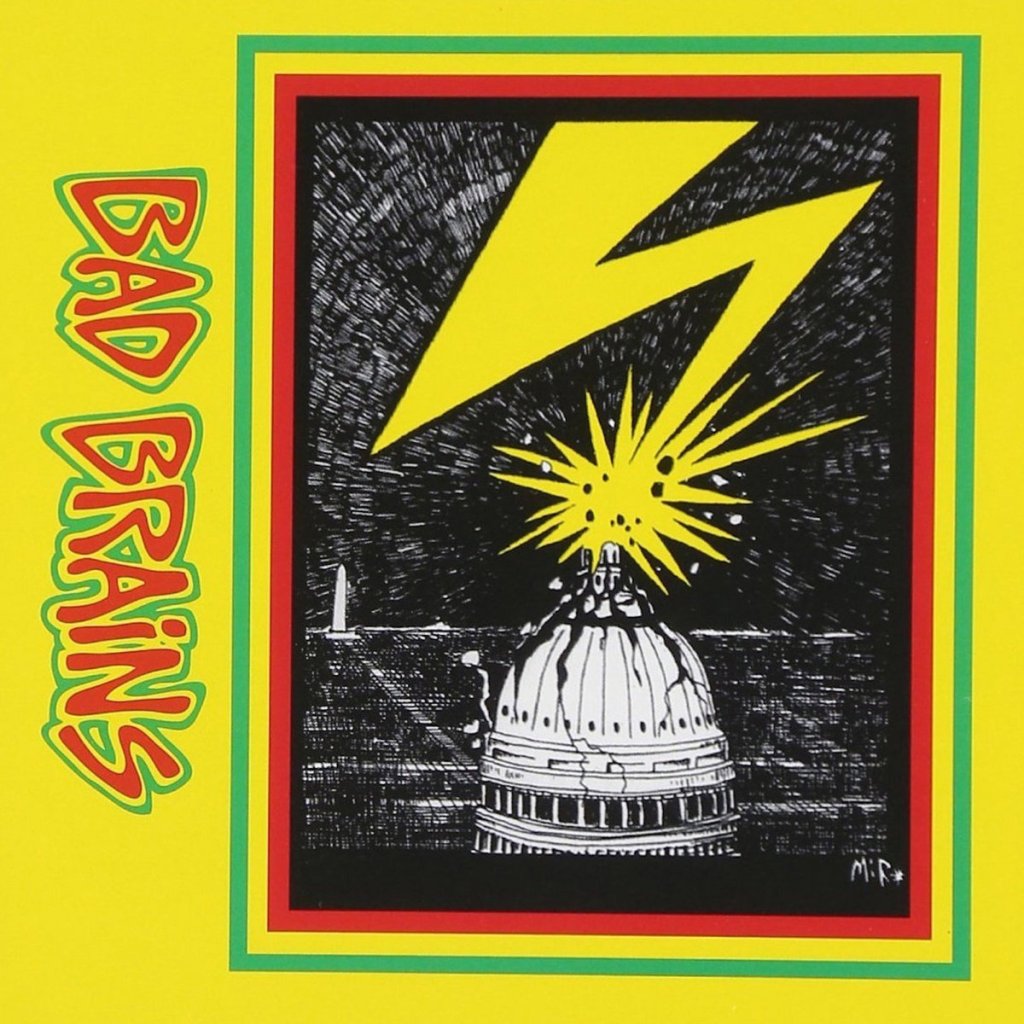
When somebody lives through poverty in a capitalist society, it becomes increasingly clear just how expensive it is to exist. There are very few things that are considered inarguable human rights, especially in America. It can become overwhelming just how many things you need to pay for just to support yourself. Bad Brains reflect this sentiment in their classic song Pay to Cum, where they lament the fact “That in this world we all must pay / Pay to write, pay to play / Pay to cum, pay to fight.” Of course, in true punk fashion, the conclusion they come to is to “Stick up for our bloody right / The right to ring, the right to dance.” Punk music has historically been revolutionary in its tone and rhetoric, and Bad Brains are emblematic of the genre’s norms. Though Bad Brains was forced to adhere to capitalist norms and monetize their art, they did so independently and were outspoken in their disdain for the system in which they were forced to participate.
No Days Off – Armand Hammer
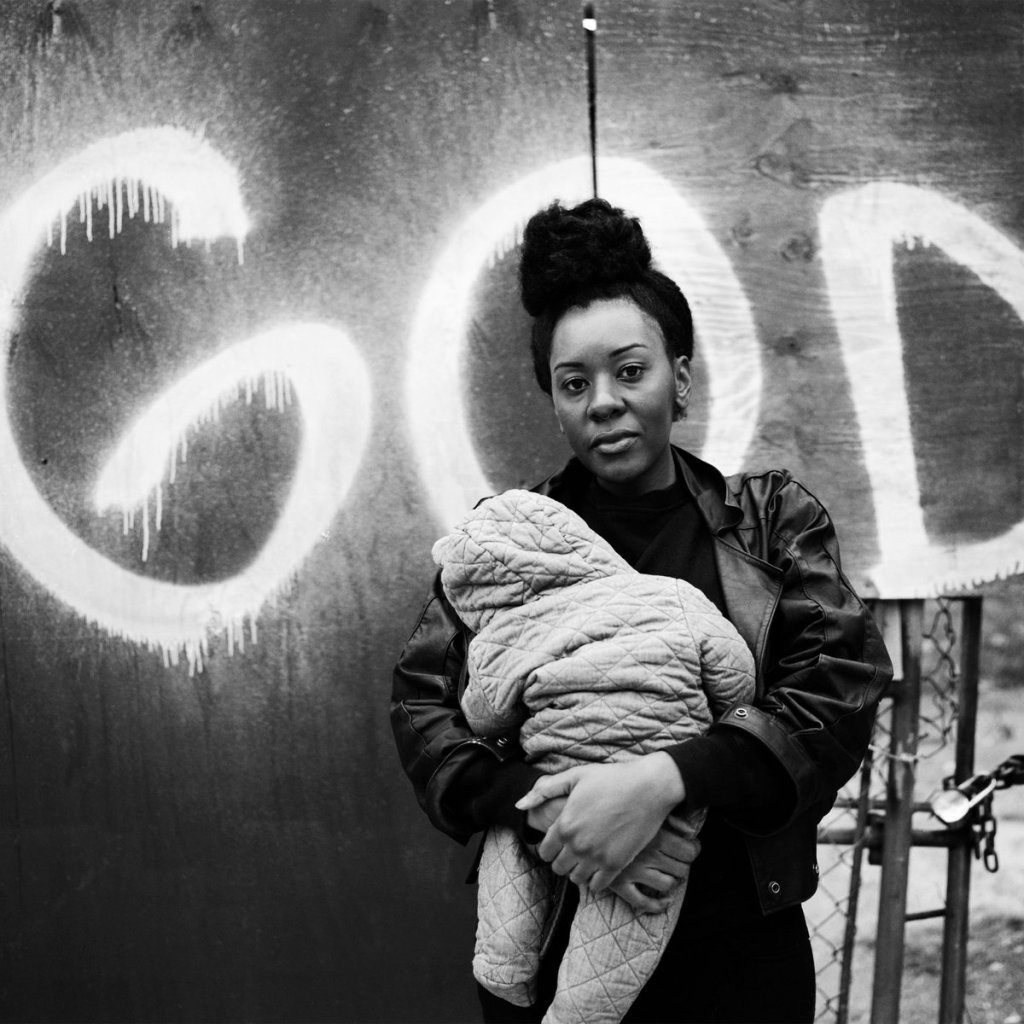
Elucid’s verse particularly regards the relationship between labor and wealth in America, and how the expectation that labor leads to wealth is often untrue. In his lines, “Thinking about my barriers to wealth and it’s clear / Rising and grinding couldn’t help,” and “An honest day’s overrated / Broke on payday,” he illustrates the mechanisms in place to ensure that the working class in the United States stays on the brink of poverty, barely surviving paycheck to paycheck. In late-stage capitalism, it is ensured that the working class is exploited ceaselessly by the bourgeoisie to ensure the greatest amount of profit. They are paid as little as possible while corporations rake in billions of dollars of revenue. There is no alternative for the working class, as is illustrated in the song’s chorus, a repeated: “You don’t work, you don’t eat.” Billy Woods describes this chorus as a “brutalist conception of late state capitalism.” (Sunderasan). Though much of the upper class in capitalist society doesn’t need to work for survival, this mantra applies to the entirety of the American working class.
For Your Entertainment – Unwound
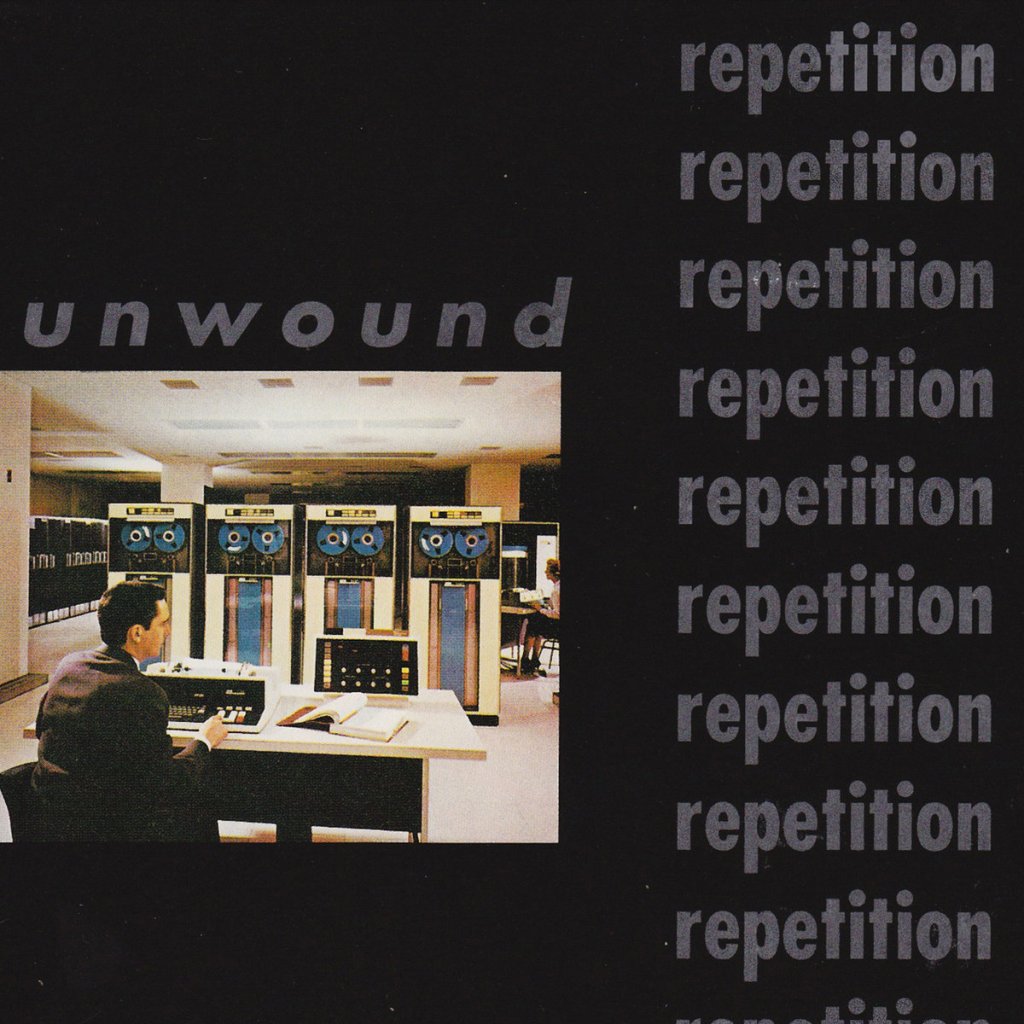
Unwound’s song is another example of the dissonance that artists feel in the capitalist system, which commodifies their art, turning it into a product to be sold as opposed to a piece of art to be appreciated and discussed. They describe the thought processes of the shadowy corporate entities that run the music industry, saying, “Pay you by the hour / Follow any trend / That comes their way / They’ll pick your life apart / And throw away your art / But finding something new / Is never hard.” Unwound resents the way that their art is reduced to simply “Entertainment,” a commodity to be discarded once it is no longer considered trendy.
The Sprawl – Sonic Youth
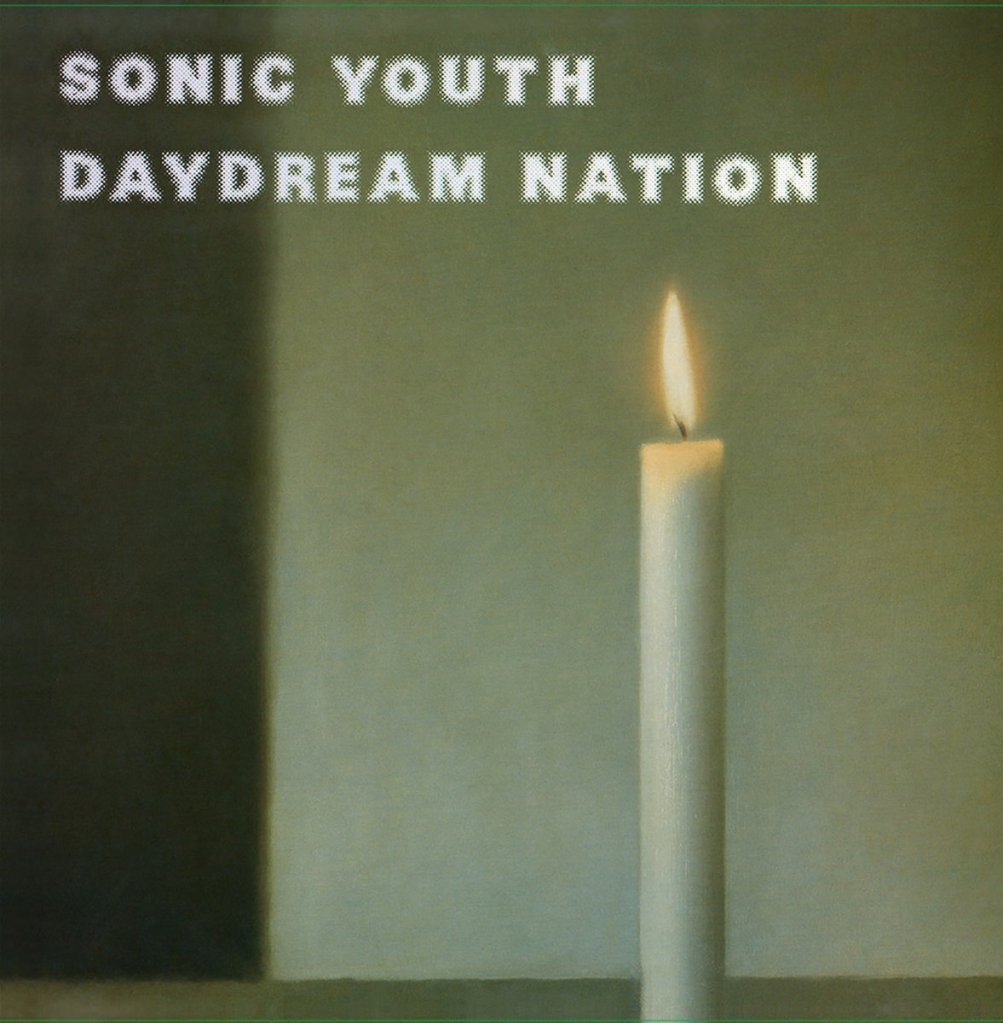
The consumerism that capitalism incorporates into culture is inescapable; advertisements and commodities line the streets, competing for access to the capital that its citizens spend their lives earning. Sonic Youth vocalist describes growing up and seeing a “Big sign down the road. / That’s where it all started,”. The predilection for consumerism and desire to consume is planted in people from a young age; advertisements targeting children make up a considerable amount of marketing. Gordon cedes that, to an extent, she has embraced the consumerist culture of America, saying “To the extent that I wear skirts and cheap nylon slips / I’ve gone native.” It is exceedingly difficult to resist cultural integration, particularly to American popular culture, which has become unavoidable for the average person. One can only hope to use their capital to benefit those of whom are deserving and can measurably benefit.
 SOC 250 Media Project